


The sharp drop observed in the global markets for the last two weeks have raised a myriad of questions about the health of the global economy and the possibility of imminent recession. The stock market was obviously hit particularly hard, which poses threats to various investor classes, especially those who are directly or indirectly invested in the market and are nearing retirement age – one could argue that this is the most vulnerable group of investors, for which the current market conditions and loss of value present the highest level of risk. For the rest of us in the markets, stock or otherwise, this downturn should not be that troublesome – after all, this is not the first financial and/or economic crash the world has suffered through. Of course, the current market situation is not all bad – buying the bottom (or close to it anyways) is always an option, although this usually is easier said than done and timing these transactions right is often close to impossible, especially for the individual investor (maybe easier for institutional investors). The market concepts of Richard Wyckoff come to mind here, who argues that a successful investor is the one who tries to think and act as large institutional investors (esp. in terms of timing the market) – this concept is further applied to and developed in his market cycle theory (or trading method) of tracing the market movement in terms of accumulation and distribution phases of trading. Perhaps reading up further on these principles could help the average individual investors time the market right and successfully by the dip – it is important to know that the technical approach to trading (and investing at the right time) would probably be more successful than the fundamental approach right now.
What investor should perhaps know is that divesting within a wide and panic-driven market sell-off is rarely the best thing to do. Saving more cash now (at a time of crisis) and then buying the dip in the markets later on is probably a more sustainable long-term investment strategy (obviously we are not talking about speculators, day traders and hedge funds here) – insufficient saving has been a global concern for a while now (especially reflected in the US current account as part of the BOP) and it is probably a good time to start amending this worrying economic piece of statistics. After all, it is a well-known (and historically proven) fact that the market generally and in the long run goes up, despite all the volatility (and its magnitude) on a short-term interval level – this is of course in line with the fact that the globally economy (and GDP levels) experiences growth in the long-term and the corporations worldwide tend expand, with the unsuccessful ventures dropping out the freeing up market space for others to thrive and generate EPS growth, further fuelling markets and the real economy. This of course does not mean that investors should be extremely overweight on risk assets in the long-term – setting up a well-balanced and diversified portfolio (both geographically and risk-wise) is the true strategy for success in the long-term. A good example of this concept is the 60:40 portfolio split, which favours risky assets (usually equities), but does not forget about the risk hedge delivered by bonds (both government and investment-grade corporate) and gold. These strategies could also crack under the pressure of rare devastating and apocalyptic events (coronavirus is not there yet), but this is the best you can do in the markets – diversify and minimise your overall risk and hope for the best. Even against the backdrop of the current market conditions (corona-panic and oil-price war) the diversified portfolios are faring pretty well – with loses withing the 10% mark.
Although the markets often tend to overreact, in line with their intrinsic pessimism and tendency to over-discount valuations based on the news, we could probably conclude that the coronavirus will have sever economic impact in many countries, accompanied with GDP slump, budget deficits, unemployment surge, soaring foreign debt, budget and funds reallocation, strain on social and health systems, government spending reprioritizing, public investments slowdown and delays, etc. But all that does not really matter in the (very) long-term horizon (along the lines of 10 to 20, even 30 years from now) – the effects and consequences will be taking hold in the short-to-medium term. The economy and markets ALWAYS bounce back to life and return to their general long-term growth trends. And it makes sense to conclude that if you buy-in the market now (or whenever you believe the bottom is reached) you would have effectively boosted your long-term (expected) gains, as the future growth or even price booms would have become more likely (from a statistical point of view). So the current situation can be looked at as a (long overdue, esp. in the US) market correction, which many investors have waited for to enter the markets. So getting in now (we are not advising here), but if you do, your long-term chance of success goes up (again, statistically speaking). Even if you are not particularly interested in using this crash as a buying opportunity, there is a lot else you could do on the investment front, including getting a mortgage to buy a home or investment property (or maybe even a business loan to set up a small enterprise in the wake of the subsequent economic recovery), which makes sense with interest rates being in the gutter and most probably staying there in the near future. And this is exactly how the economy bounces back from a recession or slowdown – by way of people saving up more, investing and eventually spending again (this is of course just a rough framework and guide).
Just be reasonable, rational and think things through – don’t panic and don’t give in to fear! Mankind has historically been through much worse and humanity has always managed to prevail and persevere. We believe that this time will no different, even if it gets (much) worse, before it gets better. Hang in there and keep an eye on the markets!
Potential opportunities within a bear market
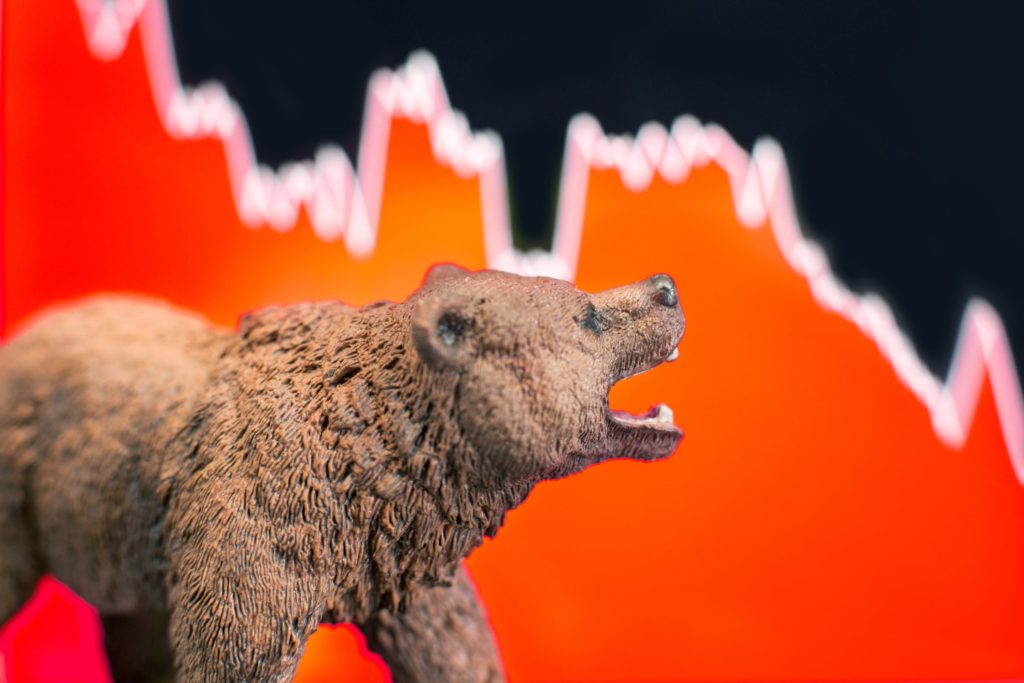
bear market stocks plunge crash`invest correction